
Certified Mold Inspection & Testing in Seattle
Same-day service. Lab-tested results. Serving homeowners, renters, and businesses across the Emerald City.



Seattle Mold Inspection & Testing
Professional mold detection tailored to Seattle’s rainy climate and aging infrastructure.
Seattle Mold Inspection & Testing
Professional mold inspection services tailored to your needs
Visual Mold Inspection
Thorough visual inspections to uncover mold in basements, attics, kitchens, and HVAC systems.
Air Quality Testing
Air sampling to detect airborne mold spores, analyzed by a certified lab for clarity and accuracy.
Surface Sampling
Swabs and tape lifts taken from areas with visible mold or water damage.
Moisture Mapping
Moisture detection in walls, ceilings, and crawl spaces using digital tools and thermal sensors.
Seattle Mold Inspection & Testing Resources
Pacific Northwest guides for Seattle homeowners and tenants — a full inspection checklist, baseboard-heater mold, new-construction envelope failures, landlord-tenant lab-analysis disputes, and the top Seattle testing companies.
- Seattle Mold Inspection Checklist for Homeowners and TenantsA Seattle-specific mold inspection checklist for renters and homeowners. What to look for, what to document, what to ask, and when to hire a pro.
- Seattle's Baseboard Heaters Warm Your Room and Create Mold. This Is Why.Seattle's baseboard heaters create stagnant cold pockets behind furniture. Learn the dew point mechanism, the gap rule, and what to check this winter.
- Seattle New Construction Mold: The Build CalendarSeattle frames homes through the rainy season. Here's how that traps moisture in new builds, why the attic shows it first, and why you have a limited window to act.
- Mold Inspection Seattle: Using Lab Analysis to Settle Landlord-Tenant DisputesLab analysis settles Seattle landlord-tenant mold disputes by showing lifestyle causes vs structural water damage.
- Top Mold Testing Companies in Seattle: Complete GuideCompare the top mold testing and inspection companies in Seattle. Learn how to choose an inspection-only mold assessor you can trust.
Inspections Only – Not Remediation
Unlike cheaper companies with a conflict of interest, our partners provide unbiased assessments because they don't profit from finding problems. Our only job is to make sure you get the truth, not buy services you don't need.
Texas Occupations Code 1958.155(a) prohibits licensed mold inspectors from both inspecting and cleaning/remediating. We follow this ethical standard nationwide, even where not legally required.
Advanced Inspection Protocol
Our comprehensive process combines certified inspectors, accredited lab analysis, and expert review for fast and accurate mold inspection and indoor air quality results.

Pre-inspection Survey
Initial consultation discussing property history, past water damage, and moisture problems. This survey takes 10 minutes and can be done over the phone or in-person.

Property Inspection
We perform a comprehensive inspection which includes visual & infrared screening and moisture detection to detect hidden moisture, and we collect air and surface samples from suspected mold-affected areas.

Indoor Air Quality Assessment
We use advanced chemical and particulate sensors to detect formaldehydes, volatile organic compounds, fine particulates (PM2.5), carbon dioxide, and other contaminants that may cause similar symptoms to toxic mold exposure.

Accredited Lab Analysis
Samples are analyzed at an AIHA-accredited lab — species identified, spore counts measured — and every result is reviewed by our on-staff microbiologist.

Reporting & Advice
We send you a comprehensive interactive web report containing plain-English findings, microbiologist-verified testing results, recommendations for mold remediation and improved air quality, along with preventive tips to avoid future issues.
What Our Clients Say


As Featured In






























The Fast Mold Testing Difference
See how we compare with traditional mold inspection.
Fast Mold Testing Co.
Days, Not Weeks
Lab-backed reports typically 1-2 business days after inspection
Test-Only, No Upsells
We don't sell remediation — no incentive to inflate findings
Interactive Web Report
Modern, mobile-friendly, easy-to-understand interactive web report
Air Quality Assessment
Complete indoor air quality analysis included
Traditional Inspectors
Report in 7-14 Days
Long wait times for written report with laboratory results
Remediation Conflict
Same company tests AND remediates — incentive to find more mold
PDF Report Only
Complex technical documents with limited guidance
No Air Quality Testing
Limited to basic mold inspection only
Meet Your Expert Inspectors
Certified mold inspection professionals serving Seattle and the surrounding area.
Laura N.
Certified Mold Inspector

Rory J.
Licensed Home & Mold Inspector • Indoor Air Quality Specialist
Rory James has a lot of experience. He checks homes and other buildings for mold and tests the air inside them. He looks for water coming in, hidden mold, and things in the air that could be unsafe. Rory uses good ways to test and take samples. People know him for talking in a clear way, quick service, and reports that are simple to read and helpful.
Kris K.
Certified Mold Inspector
Joseph F.
Certified Mold Inspector
Frequently Asked Questions
Common questions about mold, testing, and our process.
How much does a mold testing cost in Seattle?
A mold test usually costs between $698 and $950+. The price can go up or down based on the size of the the home and if there is water in it. In Seattle, our mold inspection starts from $698.
Why is mold such a big issue in Seattle?
Seattle’s wet, temperate climate encourages mold growth—especially in homes with poor ventilation or aging insulation. Regular inspections can help detect and address issues before they escalate.
How long does it take to get my results?
Our lab typically returns test results on the day received with no rush charges.
Is mold dangerous for my health?
Mold exposure can trigger allergies, respiratory symptoms, and other health concerns. It's especially dangerous for people with asthma, young children, and the elderly.
How do I choose a qualified mold inspector?
Choose an inspector who has IICRC, InterNACHI, or state mold assessor credentials. Look for someone with experience in air sampling and finding moisture problems. They should also be able to give reports that are not influenced by others. It is good to pick inspectors who work on their own and do not fix mold themselves. These inspectors give the most fair answers.
Do I need mold testing if I’m planning to remodel or open walls?
Yes. Testing before you remodel helps find hidden mold. This can be behind walls, under floors, or inside insulation. When you find contaminated spots before tearing down, you stop a large number of spores from spreading during construction. This also helps you avoid sudden delays and extra costs for clean-up.
What Happens After Mold Is Found in Seattle?
When mold is identified during a mold inspection in Seattle, the next step is to determine what kind of mold it is and how much is present. Samples are collected and sent to a certified lab for analysis. You then receive a written report that explains where the mold was found and what the results indicate. Based on the findings, the report outlines whether further action, such as professional remediation, is recommended.
What steps should I take if my mold test is positive in Seattle?
If your mold test comes back positive in Seattle, you should not attempt to clean or remove the mold on your own. The inspection report should be used to hire a licensed mold remediation company. This report provides clear details about the affected areas and helps the remediation team remove the mold safely and address the moisture issue that caused it.
Is testing needed after mold removal in Seattle?
Yes, testing after mold removal in Seattle is recommended to confirm the cleanup was successful. Post-remediation testing measures indoor air quality after the work is complete and checks that mold levels are back within normal ranges. This step is commonly needed before people move back in or before landlords, property managers, or buyers approve the space.
Do I need multiple mold samples, or is one test enough?
In most Seattle properties, one sample is not enough to see the real problem. Mold can be different in each room because there is more or less moisture. That is why inspectors usually collect one indoor sample and one outdoor sample. This helps them look at spore levels inside and out. If there are problems in more places, more samples may be needed.
Will mold testing show if the problem is getting worse over time?
Yes. Mold testing helps you know the starting spore levels in your home. If you test again, you can compare the new results. You will see if mold levels go up, down, or stay the same. This is helpful in Seattle, where things like wet weather change during the year.
Can I use mold testing results to verify that a cleanup was done properly?
Yes. After removing mold, the post-remediation mold test (clearance test) shows if the amount of mold is back to normal. This matters in Seattle homes because water can stay around for a while. If you do not test, you cannot be sure that the problem is gone.
Request Your Inspection
Book your professional mold inspection today. Get fast, lab-verified results from our conflict-free, test-only experts.
Fill out the form below or Call Now to schedule your inspection.
Business Hours
Service Area
Latest from Our Blog
Stay informed about mold inspection, testing, and prevention with expert insights from our certified professionals.
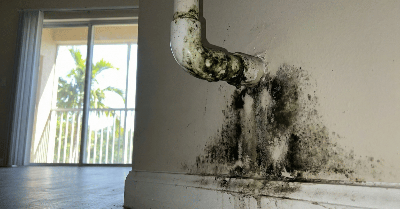
Seattle's Baseboard Heaters Warm Your Room and Create Mold. This Is Why.
Seattle's baseboard heaters create stagnant cold pockets behind furniture. Learn the dew point mechanism, the gap rule, and what to check this winter.
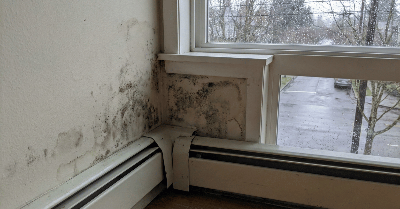
Why Most Seattle Window Mold Doesn't Need a Mold Inspection (And What Does)
Dark fuzz on Seattle window frames is almost never toxic black mold. Here's the science behind why, and when to book a mold inspection in Seattle.
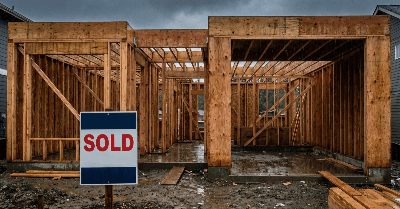
Seattle New Construction Mold: The Build Calendar
Seattle frames homes through the rainy season. Here's how that traps moisture in new builds, why the attic shows it first, and why you have a limited window to act.