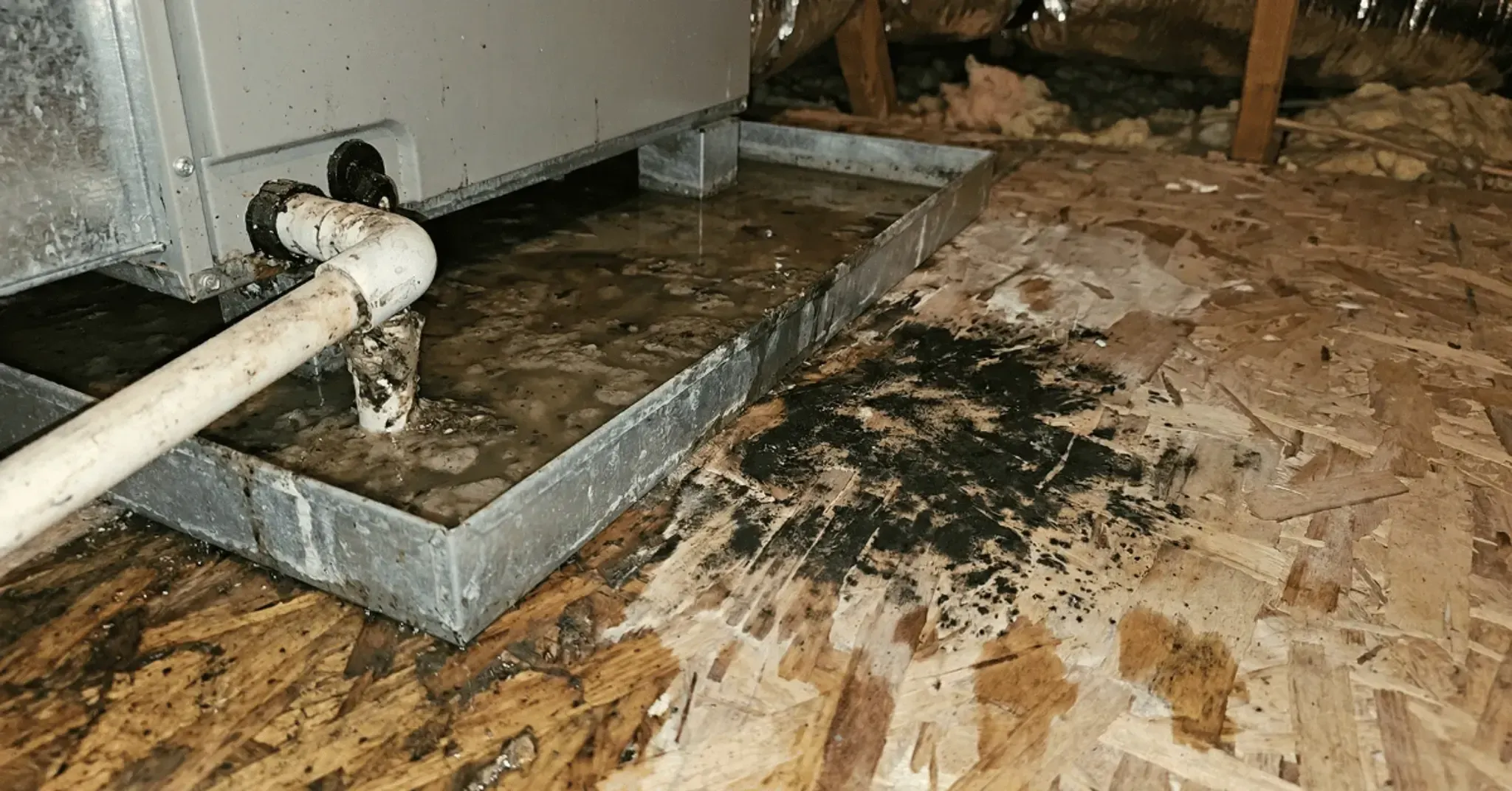

Austin's July 4, 2025 flood was not only about how high the water got. Shoal Creek, Bull Creek, Onion Creek, and the San Gabriel River did not fill up with clean rainwater. The water moved fast through combined storm and sewer systems. It took raw sewage into homes along with the floodwater. The water that went into homes and walls in West Campus, Bryker Woods, Zilker, and the Onion Creek area had germs from the way the pipes were set up, not just from chance.
That pollution level is important because it tells you what type of cleaning needs to be done by law. There are rules for each type of water. Each type has a different way to take out things that should not be in the water. There are also papers you have to fill out when you do this in Texas.
Clean Water vs. Gray Water vs. Black Water: What Category Your Flood Was
Water damage experts use a three-level system. The place your water fits in tells if you can dry things where they are, or if you need to remove and put in new ones.
Category 1: Clean Water
A broken supply line, water that comes from a melted freezer, or wetness from the air. There is no biological contamination. Drying can fix the materials that got wet.
Category 2: Gray Water
A washing machine can overflow, a dishwasher may leak, or water from the toilet may come but not from the bowl. The water has some harmful things in it but it's not sewage. Many things can still be saved if cleaned by a professional. A licensed person needs to look at everything to know what can stay and what has to go.
Category 3: Black Water
This is where Austin's July 2025 floodwater ended up. The creek spilled over and mixed with sewage. Toilets backed up. Everything in the toilet bowl came out. This water is very dangerous for people. It has germs, bacteria, and things that can cause sickness.
Category 3 water can not just be dried where it is. You need to take out everything that soaked up the water, like drywall, insulation, subfloor, and even wood if it got too wet. You can not clean and keep anything touched by Category 3. There is no other way to deal with it.
Why Austin Creek Flooding Is Sewage-Contaminated (Category 3)
Austin’s creek system in the city brings together storm water pipes and sewer pipes in places that are not high up. When there is a big flood, the water backs up. This can force dirty, sewage water to rise and mix with rainwater in lakes, rivers, and even homes. In July 2025, the Austin Water Department documented overflow events in several creek paths. Lower Shoal Creek, Onion Creek, and some parts of Bull Creek saw the worst mix of sewage and high water.
A homeowner whose house took in that water did not have a Category 2 event. They had Category 3, which means every drywall the water touched has to be removed, all wet insulation must come out, and every soaked subfloor needs to be taken out.
Some extraction companies may dry a Category 3 area and then send a bill. The area may smell fresh and feel dry. But you still have to remove all wet porous materials. The removal rule does not go away even if things look fine on the surface. For Category 3 jobs, you need to get rid of anything wet and porous, no matter how it looks.
What Category 3 Contamination Means for Cleanup Scope and Cost
A Category 1 or 2 water damage job means you need to clean, treat, and dry. The work that you need to do is clear and the price is not too high.
A Category 3 job needs demolition. Drywall is taken down to the studs. Insulation is taken out. Subflooring is also removed. The framing is looked at and fixed if needed. People use big machines to dry the wall spaces. Then, new materials are put in. This is a construction job, not just a cleanup.
The work goes up in a big way. People put in more hours. The cost goes up too. This is why the Certificate of Mold Damage Remediation (CMDR) is important. It shows by law that what was done matches the kind of water and how bad the mess was. Without it, someone who buys the place can say later on that the job was not finished.
The Licensed Assessment Required Before Any Austin Flood Cleanup
Before anyone starts cleaning, a Mold Assessment Consultant with a TDLR license needs to check the property. The job of the MAC is to:
-
Find out the water type and how much it is not safe
-
List all the things that got touched by water
-
Figure out how much needs to be taken out and fixed
-
Write a plan for work that a licensed MRC will use
If the MAC says there is Category 3 contamination, the work will include taking out things that are dirty. If the MAC's report says they had to take things out, but the cleanup crew did not do it, that is proof that the job was not finished.
After the MAC writes what needs to be done, a different TDLR-licensed Mold Remediation Contractor takes care of the cleanup. When that part is finished, the MAC comes back to check everything and signs the Certificate of Mold Damage Remediation. That signed CMDR is what shows insurers and people who might buy the place later that someone looked at the type of water, a licensed person planned the work, and the cleanup was done the right way.
What to Ask Before Buying an Austin Home That Flooded
If you want to buy a home that got flooded in July 2025 or before, here is what you need to know:
Ask to see the CMDR. If the seller does not have one, the cleanup may not be done by licensed people. It could also mean it was not done the right way.
Ask where the water is from. If the water is from a creek that went over its banks, this means it is Category 3. All of the stuff in the home should be taken out. If the person selling is not clear when talking about it, ask to see papers that show what happened.
Have your own checkup done. A licensed MAC can look at a home again after it is cleaned. They can say if the work was right for the kind of water problem. You have to pay for this at the start. It helps you save more money after some time.
Check what the CMDR really says. The CMDR needs to tell you what things were taken out, where the work was done, and why they feel the job is finished. If the CMDR is not clear or is missing details, this could be a warning sign.
Austin Neighborhoods Hit Hardest by Category 3 Flooding in 2025
East and south Austin neighborhoods that have the most Category 3 water problems include:
-
The Lower Shoal Creek area is in West Campus and Bryker Woods.
-
The Onion Creek neighborhood and the area east of Interstate 35.
-
Bull Creek runs through the Northwest Hills.
-
Barton Creek and the Zilker area.
-
The Williamson Creek area is in South Austin.
Homes that go on the market after July 2025 in these areas should have a flood disclosure. You should ask to see the CMDR before you make an offer. Check the Austin Water Department flood zone maps to see if the address is in a creek corridor.
How Missing Cleanup Documentation Creates Real Estate Liability
Texas real estate disclosure law says that sellers must report mold they know about and any past water damage. If you buy a house that has been flooded and find mold at a later time, the disclosure is where the argument starts. A seller who says, "the home was professionally cleaned," but does not have a CMDR has no real proof. A buyer's lawyer will say that the disclosure was not all there.
After floods in Austin, many real estate arguments have started because CMDRs were missing. Some buyers asked for their money back and left the deals. Some sellers ended up in court because the papers they shared were said to not have all the information.
A CMDR does more than end the cleanup. It stops the argument from starting in the first place.
If Your Home Already Flooded: Getting a Proper CMDR Before You Sell
If your Austin home has been flooded and the cleanup is done, it is a good idea to get a MAC assessment now. A MAC can still check if your home is in the shape it should be after Category 3 work. If the work is not fully done, you can get an MRC to finish it and get a proper CMDR before you decide to sell your home.
The cost to get a cleanup done and have all the right papers is much less than what you pay if there is a problem at closing time.
For an Austin mold assessment that documents Category 3 water effects, you need to start with a TDLR-licensed firm.
FAQs
How do I know if my floodwater was Category 3?
If the water got in because a creek spilled over, a river backed up, a septic system failed, or a sewer line spilled out, it's called Category 3. If the water got in from a broken supply line or from rain through the roof, it's Category 1 or 2. A MAC assessment will check and confirm what type of water it is by looking at where it is from and what got wet.
Can Category 3 water be treated instead of removed?
No. The rules for cleaning up Category 3 water say you must take out all wet materials that can soak up water. This means drywall, insulation, and subflooring that touched black water have to be removed. You cannot keep or clean these things. You can only treat and keep items like this if it is Category 1, or sometimes Category 2 water cases.
Does a CMDR specify the water category?
A full CMDR tells you the type of water or the level of contamination. This decides how big the work is. It should also tell you what was taken out and why. A CMDR that just says "cleanup completed" is not as strong as one that writes out the water type and says why some things were removed.
What if the home was cleaned without a MAC assessment?
You can order one now. The MAC checks the current state and decides if the repair work looks done for the full water damage. If they find any gaps, you can call an MRC to finish the job and get a CMDR for what was done before.
How long does Category 3 remediation take?
Small jobs, like fixing up one or two rooms, may take one to two weeks. Bigger homes can take four to eight weeks after taking out the old materials and drying things out. This also includes the work to put everything back together. There is a TDLR rule that you must give five days’ notice before starting, but many flood jobs have urgent requests to make things move faster.
Should I buy a home with flood history if a CMDR is provided?
A CMDR shows that the work was done by legal standards. You should still get your own check to make sure the work that was done was right for the job and that the cleanup looks done. Past flooding does not stop you from buying a home. The right paperwork and checks keep you safe.
The CMDR Is What Proves the Cleanup Was Done Correctly
Austin's creeks take in dirty water when there are big floods. The cleanup rules are hard. You need to clear out any materials that soak up water. Then you need to dry the whole building. You must also write down all the steps you take, and have a licensed professional sign the papers. A CMDR shows that you followed every rule.
If you are going to buy it, ask for it. If you have a flooded house, get one. Schedule an assessment with Fast Mold Testing to make sure the cleanup was done the right way.
Related reading
Frequently Asked Questions
- What category of flood water causes the most dangerous mold after Austin flooding?
- Category 3 flood water, also called black water, carries sewage, chemicals, and biological contaminants that make the resulting mold especially hazardous. In Austin, flash flooding from the Balcones Escarpment frequently brings Category 3 water into homes. Mold growing on materials saturated by Category 3 water requires full remediation protocol including containment, PPE, and post-remediation clearance testing, not just surface cleaning.
- How quickly does mold grow after Category 3 flood water enters an Austin home?
- After Category 3 flood water enters an Austin home, mold can begin colonizing wet drywall, insulation, and wood framing within 1-2 business days. Austin's warm temperatures accelerate this timeline compared to cooler climates. A professional mold inspection from Fast Mold Testing should happen as soon as water extraction is complete, ideally within the first 72 hours.
- How much does a mold inspection cost in Austin after Category 3 flood water damage?
- Mold inspections in Austin after flood events typically cost between $500 and $800 (more for extensive inspections). Fast Mold Testing starts at our transparent rate with results in 1 to 2 business days. The post-flood inspection documents the full extent of mold-affected materials before remediation begins, which is essential for insurance documentation and for ensuring the remediation contractor's scope of work addresses all contaminated areas.
- Should Austin homeowners test for mold before or after insurance-funded flood remediation?
- Test before remediation begins. A pre-remediation mold inspection from Fast Mold Testing documents the full extent of contamination before contractors open walls or remove materials, creating the baseline your insurance claim needs. Post-remediation clearance testing then confirms the job was completed thoroughly. Without both bookend tests, you have no documentation to hold the contractor accountable if mold returns.