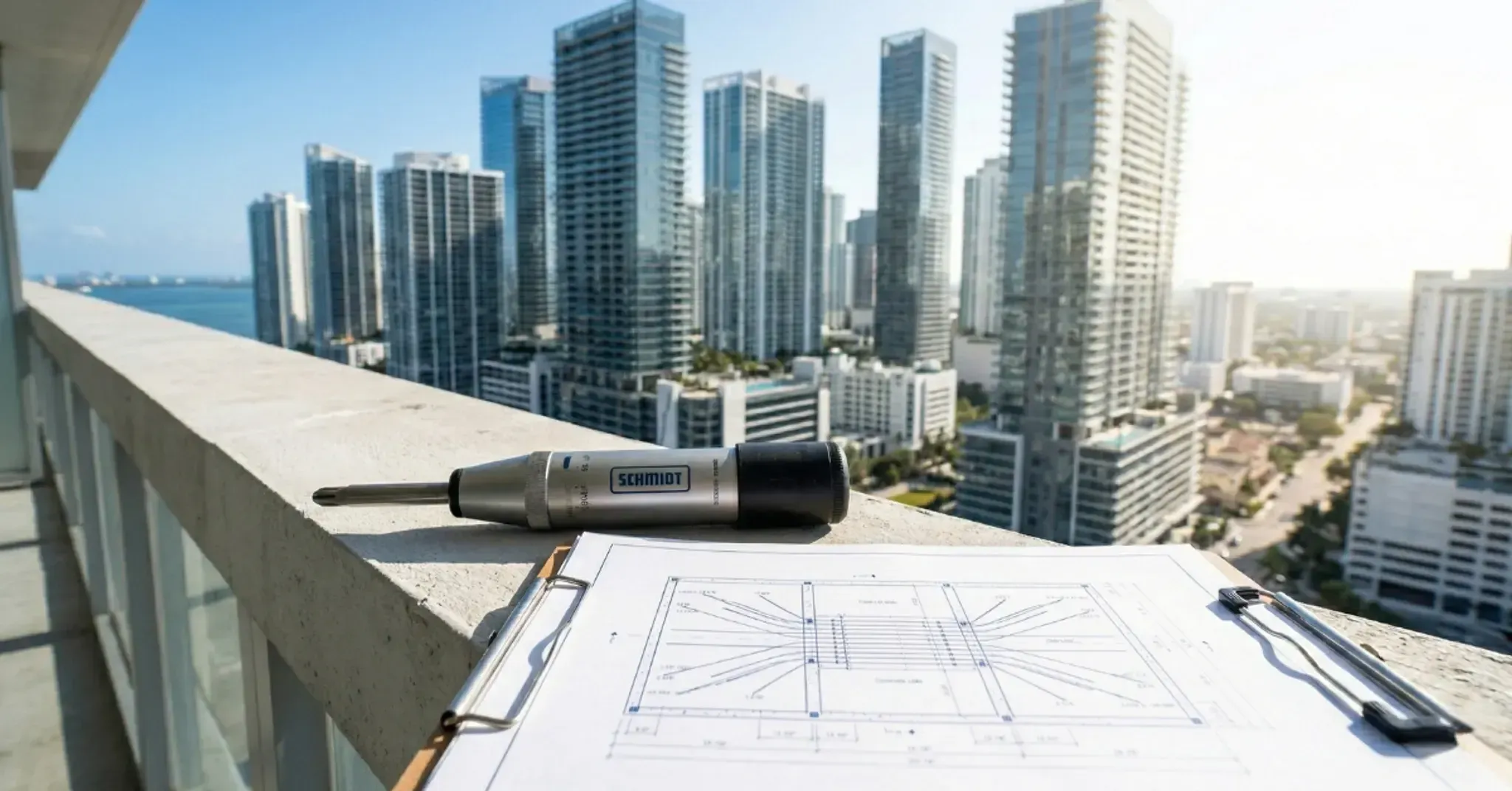

Florida's House Bill 913 started in July 2025. It changed the way milestone inspections get done for Miami condo buildings. The new rule makes engineers share if they have any conflicts. It also says condo boards cannot skip saving money for building repairs in any budgets made after December 2024.
When a Phase 2 milestone report finds water getting in, the board has to pay to fix it using their reserve money. But the person who made the report is not a mold expert. Mold testing in Miami costs about $500 to $800 (more for extensive inspections) for a full house check. Fast Mold Testing starts at our transparent rate, and you get results in 1 to 2 business days.
| Service Type | Miami Market Rate | Fast Mold Testing Price | Turnaround |
|---|---|---|---|
| Visual mold inspection | $300 to $500 | our transparent rate | 1 to 2 business days |
| Full home assessment with air sampling | $500 to $900 | starting at our transparent rate | 1 to 2 business days |
| Post-cleanup clearance testing | $400 to $700 | starting at our transparent rate | 1 to 2 business days |
| Industry turnaround for lab results | 7 to 14 days | 1 to 2 business days | Faster |
Market rates come from Angi and HomeGuide data for Miami-Dade. Industry turnaround shows usual lab reporting cycles.
What Changed With Florida's 2025 Condo Inspection Update
House Bill 913, signed in 2025, made Florida's milestone inspection rules stricter. The law says that you need milestone inspections only for buildings with three or more usable stories. It also started new rules. These rules help stop engineers, architects, and contractors who do the work from having conflicts of interest.
The main change took place a few months before. For all budgets made on or after December 31, 2024, condo boards will not be able to skip reserve funding for Structural Integrity Reserve Study items. This money is for things like the roof, load-bearing walls, slabs, balconies, and waterproofing systems.
Before, boards were able to vote on skipping reserve funding to keep payments low. Now, they cannot do that. If a Phase 2 report points out water coming in from a balcony edge or a broken membrane, there has to be money in reserves to fix it. Miami REALTORS has a useful guide on the milestone inspection rules.
Why Miami-Dade Condos Face Double Rules
Miami-Dade has had its building recertification program since 1975. The state's new rule did not end it. Now, buildings in Miami-Dade need to follow both rules.
The county rules can be tougher in some areas. Condo and co-op buildings by the coast, within three miles of the ocean, must get checked again at 25 years instead of 30. After that, they need a recertification every 10 years.
The Miami-Dade County recertification program shows the latest fees and forms. A building can need both a state milestone check and a county recertification at the same time. This means you have to fill out two sets of forms and pay two fees.
How "Water Intrusion" in a Phase 2 Report Should Be Read
A Phase 2 milestone report is a basic document. It explains how water gets inside the building. The water might come in from a balcony edge, a crack in the stucco, or from the garage floor. When the engineer writes this, they tell the board what the water did to parts of the building. But this report does not talk about what happened to the drywall, the insulation, or the wood beams behind the areas where the water got in.
Mold will grow if there is water, something for it to feed on, and enough time. A Phase 2 report that says "long-term water intrusion at balcony slab" shows all these things are there. A fix for the structure will block the water from getting in. But it does not take away the mold that started growing before.
Boards that look at the Phase 2 report as just a full list of problems and then use it to write the repair plan miss half of the work. People who live in the stack that got fixed feel the effects about six months after repairs are done.
Why Boards Should Budget Mold Testing Inside the SIRS
The Structural Reserve Study is a plan for the future. It shows what will need to be fixed in the building over time and how much money this will take. If a milestone report finds a water problem, the SIRS has to add the way to fix it.
The cost for mold testing is low when you put it next to the cost of fixing the building. Doing a full mold test for some units can be a few hundred dollars for each. A Phase 2 repair can cost hundreds of thousands or even go into millions.
The mold test helps show what kind of repair the space needs. Instead of giving you a big waterproofing contract, the work is clear. It tells you which wall parts need new drywall. It also shows which places just need sealing done.
Contractors make stronger bids when they know the full details. Boards do a better job deciding when they have all the facts before they vote. Fast Mold Testing Miami steps in after the Phase 2 report and before the bid is approved.
Frequently Asked Questions
Who decides to add mold testing, the board or the engineer?
The board is in charge here. A milestone engineer may ask for extra checks, but they are not allowed to test for mold as part of their license. The board or the unit owners have to decide if they want to do mold testing.
Does HB 913 require mold testing?
No. House Bill 913 is about building rules and what to do if there is a problem with interest. It does not talk about mold. Mold testing is done on its own. The board will do this if the report says it is needed.
Can a unit owner demand private testing?
Yes, you can test the unit inside your own place. Owners do not have to get permission from the board to test their homes. A written report will be added to the owner's records for the future.
How fast can a mold test be done on a multi-unit building?
You can test a few units in one day at the site. Lab results from Fast Mold Testing come back in 1 to 2 business days. Older labs take seven to fourteen days. This time fits in the usual bid review window.
A Repair Scope Without a Mold Test Is an Incomplete Scope
Florida has new condo rules. These rules make Miami boards pay for repairs using reserves. This is good for everyone's safety. But repair work is only as good as the info that went into it.
A Phase 2 report that talks about water getting in is showing a second problem behind the first. Testing for that second thing before the contractor starts work helps the board not pay two times. Book a mold test through Fast Mold Testing Miami and get results before the next board vote.
Frequently Asked Questions
- What does Miami's 2025 condo inspection law require when a report flags water intrusion?
- Under Florida's milestone inspection law, when a structural inspection report flags water intrusion in a Miami condo building, the board must commission further evaluation and remediation within a specified timeframe. Mold testing should be part of that process, because water intrusion in Miami's humid climate almost always produces mold within the building assembly even when surfaces appear dry.
- Can Miami condo boards delay mold testing after a milestone inspection flags water damage?
- Delaying mold testing after a milestone report flags water intrusion exposes the Miami condo board to liability, because mold growth in the affected area continues during the delay. Florida law requires boards to act promptly on known habitability hazards. A board that delays testing and allows mold to spread may face claims from unit owners for damages that occurred during the inaction period.
- How much does mold testing cost for a Miami condo building facing milestone inspection requirements?
- Mold testing for Miami condo buildings under milestone inspection requirements typically costs between $500 and $2,000 for common areas and a representative sample of affected units. Fast Mold Testing provides per-unit inspections starting at our transparent rate each and can coordinate multi-unit inspections efficiently to minimize disruption and overall cost.
- Should individual Miami condo unit owners get their own mold inspection separate from the board's inspection?
- Yes. The board's inspection serves the building's interests, while your personal inspection protects your individual rights as a unit owner. If the board's contractor misses mold in your unit or underreports its extent, your independent report from Fast Mold Testing gives you the documentation to pursue reimbursement from the association or your own insurance carrier under Florida Statute 718.