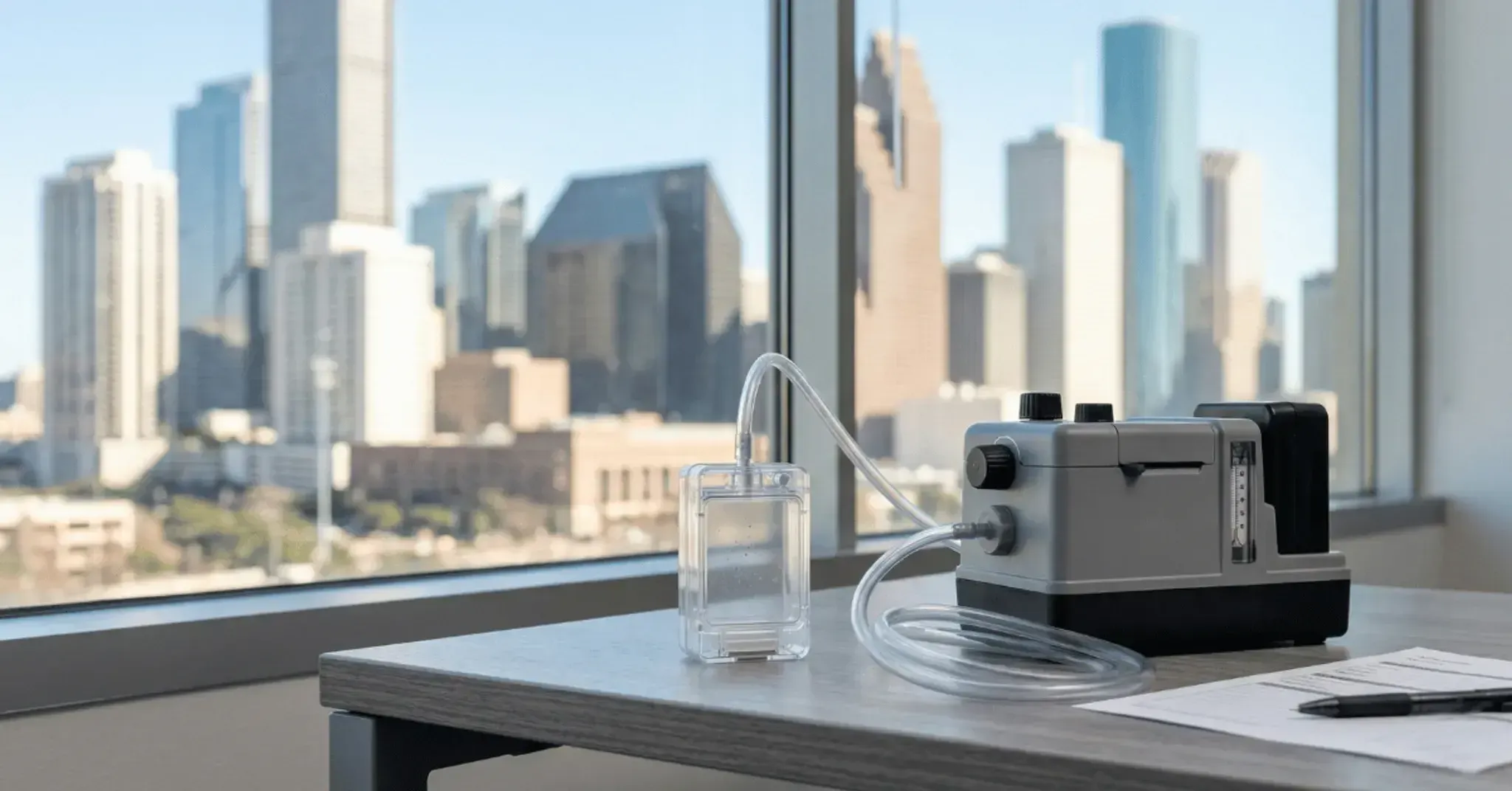

Corpus Christi is next to Nueces Bay. Almost every home here is within one mile of salty water. Salt in the Gulf air lands on the window flashing made of iron or steel, gets on fasteners holding the siding, and covers the hardware for doors. When salt lands, it makes rust on any iron or steel it touches. In one or two years, that rust makes small gaps between the window and the wall.
Gulf air, with 70 to 80 percent humidity, gets through these gaps all the time. It goes into the wall. Once inside, the air reaches the wood and insulation. These parts were not made to dry out. When you finally see a paint stain close to a window, which is what most people first see, water has usually been getting inside the wall for months.
Most home checks miss this. The damage is hidden behind the surface.
How Salt Air Corrodes Metal Flashing and Opens Moisture Gaps
Salt particles in coastal air do not just float around. They drop onto galvanized fasteners, build up on steel flashing, and cover copper gutters. Every spot where they touch starts to rust. The salt takes in water from the air, which is often at 70 to 80 percent humidity during the whole year.
The AMPP, the group of people who know the most about rust, shares that houses near the coast wear out metal parts much quicker. Places within one mile of the sea can see metal wear two to five times faster than homes that are more inland, but still in the same type of weather. In Corpus Christi, this means flashing wears away, stops blocking the space between the window and the wall, and lets Gulf air come in through small holes about as wide as a pencil lead - in just a few years after being set up.
How Humidity Enters Your Walls Through Corroded Gaps
Gulf air with 76 percent humidity gets in a wall cavity through a gap by a window frame. It quickly touches the wood framing and fiberglass insulation. Both take in moisture. Wood just has to reach 19 to 20 percent moisture before mold starts to grow. There is a path for air to keep moving, and outside humidity is very high. Because of this, the wood reaches that level in days, not months.
This is not like a burst pipe or flood. There is nothing you will see happen. Moisture comes in as vapor. It happens all the time, and you cannot see it. A surface moisture meter used on your drywall may read as normal for months. But the framing behind it can already be full of water. Only readings taken with tools that go into the wall and check the framing moisture show what is happening inside the wall.
Why a Standard Home Inspection Won't Catch Salt Air Moisture Damage
A TREC home inspector will look for rust you can see, flashing that is worn, and bad caulk on the outside. This is part of their job. They are not allowed to go into the wall, test the wood behind it, or make a plan for cleaning up.
The TREC Standards of Practice say that inspectors need to report any decay that they can see. They do not have to find moisture from vapor hiding behind surfaces that look fine on the outside. A home inspection may look good when checking the outside, but there could still be mold growing behind window frames that the inspector will not notice.
What a Proper Mold Assessment Covers in Coastal Corpus Christi Homes
A good check looks at the whole outside of the building. The person checking tests for water at the bottom of every wall, near every window and door, and anywhere the flashing or caulk does not work. A tool goes into the wall to see what happens at different layers, and shows the state at the frame. A heat camera shows cool places behind the outside of the building, which shows where wet insulation stops heat from moving. This also helps find where water gets in.
A TDLR-licensed Mold Assessment Consultant will write a report that can be used in court. In Texas, you need to sign the assessment report for it to help anyone. An unsigned report does not protect you or others.
Warning Signs of Salt Air Moisture Damage and When to Act
Any Corpus Christi home that was built before the year 2000 should have a check of the building shell. A home on the bay or on the Gulf side should get one, too. Homes that have new windows put in but did not get new flashing under those windows are at higher risk. If you fix just the window and not the flashing, you leave all the spots open where water can get in.
Late-stage signs are peeling paint near windows, musty smells in rooms with outside walls, and soft drywall under a window sill. If you see these signs, water has likely been getting in for months or even longer.
Find assessors experienced in coastal salt air damage in Corpus Christi and ask them to check the walls at the window line.
FAQs
How quickly does salt air corrode the metal components of my house?
Metal frames and flashing start to rust in Corpus Christi after three to five years. The caulk around the window frames does not last for long. It usually stops working in about two to three years. When a gap shows up, water gets in right away. This does not stop as long as the air outside is humid.
Does Texas building code require vapor barriers in coastal climates?
Texas code says you must have a weather-proof barrier behind the cladding. The rules for a vapor barrier are not the same in every climate zone. Corpus Christi is in Climate Zone 2. It is hot and humid there. The code is more about stopping air from getting through the wall. Other zones focus on stopping vapor more. Because of this, normal building methods do not completely stop wet coastal air from getting into the walls.
Will new paint stop salt air moisture from entering my walls?
Paint may help stop rust on the surface for a while. It cannot close or fill any gap at the flashing level if one has already formed. If you paint over a spot where water gets in, without fixing where it comes from, you trap moisture inside the wall. This will cause the wood behind the wall to rot faster.
How often do I need to recaulk windows and doors in Corpus Christi?
Windows and doors in coastal places need to be looked at once a year. You should put fresh caulk every two to three years. How much sun you get on them matters. Walls that face south or west use up caulk sooner because UV and salt in the air break it down faster. Look and reseal them after big storms.
Getting a Proper Assessment Before the Damage Gets Visible
Salt air damage does not show up right away. You may not notice it at first. Paint often starts to come off months or even years after water from salt air gets in. Stains on drywall show up after the inside wood parts have already been wet for a while. A TREC inspection looks at the outside of the building. The spaces inside the walls hold the facts you need to know.
If you own or plan to buy a home in Corpus Christi near the water, contact Fast Mold Testing and schedule an assessment with probe readings that reach inside the wall. You will find proof at the window frames. In these spots, salt air and rusty parts can have been working quietly out of sight.
Frequently Asked Questions
- Why does salt air from the Gulf make Corpus Christi homes more vulnerable to wall cavity mold?
- Salt particles in Gulf air are hygroscopic, meaning they pull moisture out of the air and hold it on surfaces. In Corpus Christi wall cavities, this creates a constantly damp environment on metal ties, wood framing, and insulation even without a plumbing leak. That background moisture is enough to feed mold growth year-round.
- How do I know if my Corpus Christi home has mold inside the wall cavities from salt air exposure?
- Signs of wall cavity mold from salt air in Corpus Christi include paint that bubbles or peels on exterior-facing walls, a musty smell that gets stronger when humidity rises, and soft spots in drywall near window frames. A moisture meter scan along the full wall height is the only reliable way to confirm hidden moisture.
- How much does a mold inspection cost in Corpus Christi for salt air wall cavity issues?
- Mold inspections in Corpus Christi for salt air wall cavity problems cost between $500 and $800 (more for extensive inspections). Fast Mold Testing offers transparent published pricing and delivers results in 1 to 2 business days. The inspection includes moisture mapping along exterior walls, which is the most important step for identifying this type of hidden mold.
- Can I prevent salt air wall cavity mold in my Corpus Christi home without full wall replacement?
- Yes, in many cases targeted repairs can stop salt air wall cavity mold without replacing entire walls. The key steps are sealing penetrations around windows and utility entries, improving ventilation in wall cavities, and applying moisture-resistant coatings to exterior stucco. But these steps only work after a full moisture map confirms the source and extent of the problem.