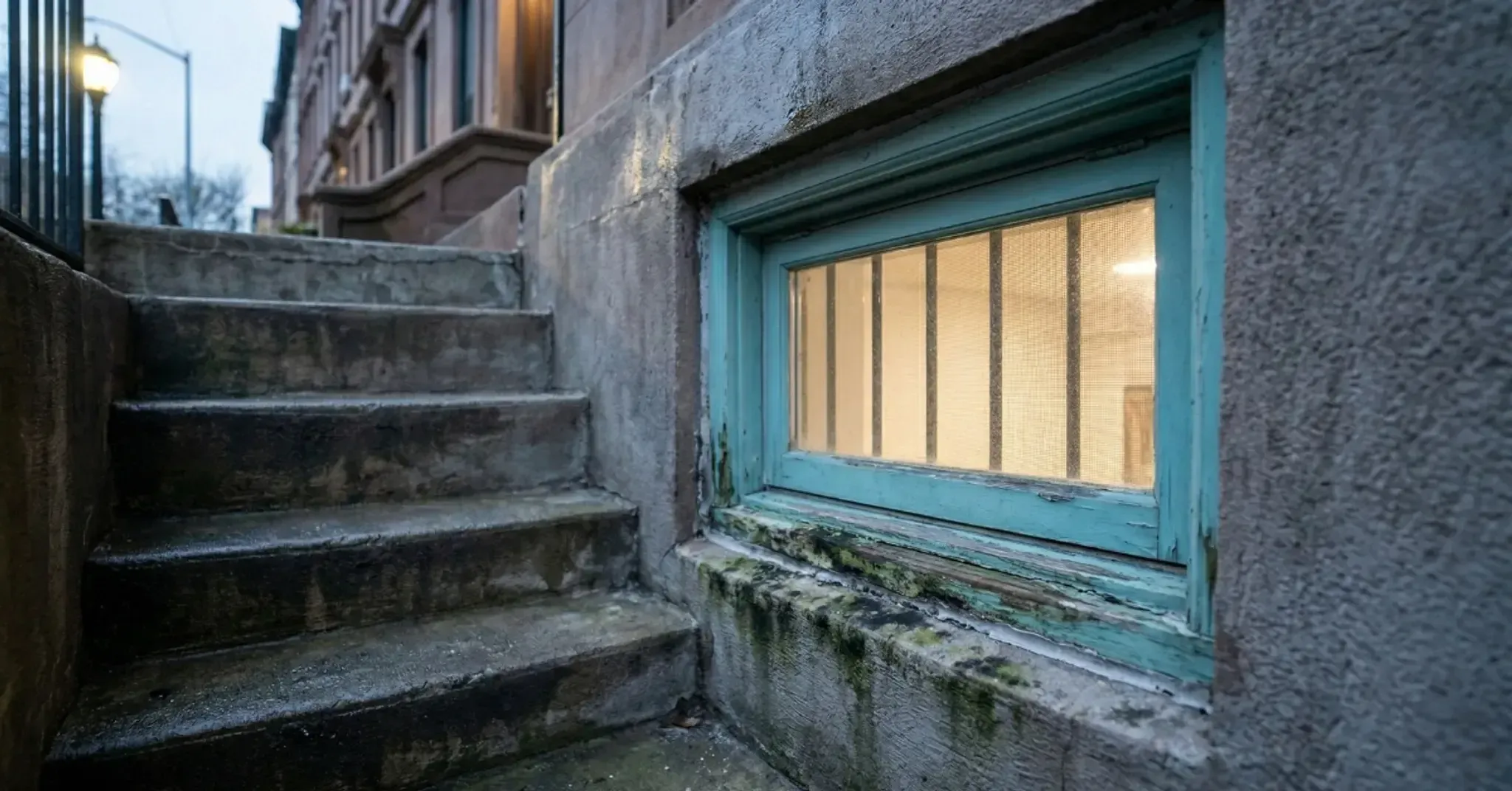

A Houston office building can have a mold problem that no one notices for months. HVAC systems keep running even after hours. Drain pans start to rust. Air handlers move wet, outside air through ducts and send it into empty rooms when people are not there. Brown marks can show up and spread across a ceiling tile. People often do not see this until someone working in the building gets sick or someone who rents space there says something.
When you hear a complaint about mold as a building owner, the mold has often been there for a while. At this point, you are not asking if there is a problem. Now you have to think about how much legal trouble you could face.
Houston's Aging Office Buildings and Gulf Humidity
Houston has a big office market. The Energy Corridor is a wide area along I-10 West that has many office parks. There are tens of millions of square feet at this place. A lot of the buildings went up in the 1970s and 1980s. The HVAC systems from that time are still in use, but they are not as strong as before. Cooling coils used to work well. Now they have to work harder. Drain pans break down. Ductwork lets air out. Air handlers are made to keep indoor air dry. But now they have a hard time doing this. The Gulf’s humidity is high every year, staying between 70 to 85 percent.
The Houston Health Department's Indoor Air Quality division steps in when the department gets a formal report from someone who lives or works in the building. The group does not do regular checks of every building. Most of the time, when they do come out to look at a place, the water problem has already been there for many months.
OSHA Liability When Building Owners Ignore Mold Complaints
OSHA does not have a certain rule for mold, a set limit for how much mold is okay, or a required testing plan for buildings where people work. But the OSHA General Duty Clause says that those in charge must keep the workplace safe from clear dangers that can hurt people. Courts have used this rule for many air problems inside buildings.
When a worker says they feel sick from being around mold, OSHA might look into it. A building that had water damage before, complaints from people staying or working there, or HVAC work that was not done the same each time, can leave a record. If the owner did not ask a TDLR-licensed person to check things—there is no written proof of what was checked, when it happened, or what was found—that missing record can show the owner did not do what they should.
"I didn't know there was a problem" will not work as an excuse if the documents show the owner never checked.
Why Your Mold Report Must Come From a TDLR-Licensed Consultant
Texas law does not make commercial buildings an exception. A mold check in any Texas building, no matter if it is a home or office, has to be done by a Mold Assessment Consultant with a TDLR license. Air tests, surface tests, and checking moisture levels all need a licensed MAC.
Many people in Houston who manage property bring in industrial hygienists or environmental consultants. A lot of these experts do not have TDLR credentials. The reports from these people might look good and be done well, but in Texas, they hold no legal value. These reports do not let you start cleanup work. They do not help in lease problems. They also do not keep the building owner safe if there is an OSHA investigation.
Before you hire an assessor, ask to see their TDLR MAC license number. You can check this number on tdlr.texas.gov. The license is more important than the name of the company.
Harvey Flood Damage That Was Never Properly Remediated
Hurricane Harvey brought a lot of flooding in August 2017. The Energy Corridor, the Galleria area, and buildings by Buffalo Bayou got hit hard. A lot of building owners called in people to remove water and dry things out. After that, they thought the work was over. Many never brought in a TDLR-licensed MAC. The cleanup was not done by a licensed team. A CMDR was not given.
Eight years have gone by. Some of the buildings still have high moisture trapped in wall spaces and the places where HVAC systems run. The first damage was not fixed in the right way. Now, people who live there say the air smells musty. Building managers say this is because the HVAC is getting old. A good MAC check could find that there are more spores in the air system, or there could be water inside the air ducts. This could mean the dirty air is spreading to many floors.
Because no one checked the place after the flood, there is no proof on paper. There is nothing to show what the building was like before or when the trouble started. Without that, people have no way to show the real story. This can be a problem if someone who lives there talks about getting sick.
What a Commercial Mold Inspection in Houston Includes
A commercial assessment covers the whole building space. The person who checks the building gets air samples from many spots on the floor. They read the moisture levels in the HVAC rooms, above the drop ceilings, and at spots where there are openings in the outside walls. They also check the HVAC repair records to see if there are any signs of moisture problems coming back again.
The report shows what the building is like right now. It does this in a way that helps the owner. The report can help with a cleanup plan if one is needed. It gives written proof for telling people who stay in the building about problems. The report is a legal record for OSHA or the Houston Health Department if someone makes a complaint. The owner can use this report to show that a licensed professional looked at the building.
When to Schedule a Commercial Mold Assessment in Houston
If your building got flooded during Harvey and you never had a licensed MAC checkup, you should book one now. If your HVAC care has not been regular or was put off, set up a visit before the next big summer heat. If anyone living or working in the building ever said something about the air or a smell, there is a missing record you need to fix.
Find TDLR-licensed assessors in Houston and have them look over the building before you talk about a new lease or when a storm season is about to start.
FAQs
Who pays for mold remediation under a commercial lease?
The lease says who is responsible for what. Most commercial leases in Texas say the building owner has to take care of HVAC upkeep. If mold grows because the HVAC system is not working right, the owner usually has to fix it. If the mold comes from water damage that the renter caused, then it's often the renter's job to handle it. A MAC report shows where the moisture came from. This report is important if people do not agree on who is to fix the problem.
Can an employee refuse to work in a building with mold?
OSHA does not always let a person at work say no to doing the job just because they think there might be mold. But if someone at work makes a formal complaint under the General Duty Clause, OSHA can come check and give fines. Courts have said these fines are okay when the boss knew about air quality issues and did not fix them.
What happens after commercial mold cleanup?
Any cleanup of 25 square feet or more needs a licensed MRC. The MRC must use a MAC-approved plan to do the work. The MRC gives a CMDR within ten days. This CMDR finishes the cleanup for things like insurance, OSHA rules, and lease talks.
How much does a commercial mold assessment cost?
Pricing changes based on how big the area is, how many samples you need, and how much work the HVAC review takes. Lab fees are set by the AIHA-accredited lab. A basic checkup for one floor usually costs more than a normal home inspection. Still, it is much less than what you pay in a rental dispute or if OSHA has to step in.
Conclusion: Getting Ahead of Mold Complaints Protects Your Building
Houston's commercial mold problem happens often. Old buildings are a big reason. The Gulf's damp air also makes it worse. A lot of times, the HVAC does not get the care it needs. Water can build up in walls and ducts. People do not see this right away. The problem often shows up when someone points it out.
A MAC test that is done by choice, before any problem happens, gives a different message to OSHA or a court than one done fast after you get a demand letter. The papers made by an early look help the owner, help people who live there, and help the worth of the building's lease.
If no one has checked your Houston place since Harvey, or if the HVAC checks are not up to date, get a professional evaluation done with Fast Mold Testing before the next big storm, before your next lease renewal, and before the next complaint comes in.
Frequently Asked Questions
- What OSHA liability do Houston building owners face if tenants report mold in a commercial building?
- OSHA's General Duty Clause says Houston building owners have to give their workers a place that is safe and does not have known risks. If tenants complain about mold and the building owner does not do anything or keeps ignoring the problem, the owner can get citations, fines, and be responsible. A quick and professional mold checkup from Fast Mold Testing can help stop these issues.
- How much does commercial mold testing cost in Houston for an office building?
- The price for commercial mold testing in Houston is usually from $1,000 to $5,000 or even more. The cost depends on how big the building is, how many floors get checked, and if the HVAC system gets tested as well. Fast Mold Testing offers flexible checks for businesses that help keep both cleanup cost and legal risk low.
- How quickly can mold spread in a Houston commercial building with aging HVAC?
- In Houston, the air is humid most of the time. It stays between 70 to 85 percent. Mold can start to form on wet ceiling tiles and in duct insulation in about two to three days. Old HVAC systems with rusty drain pans spread water and mold spores to several floors. This happens before people know there is a problem.
- Can a Houston commercial building owner be sued by tenants for mold-related health issues?
- Yes, tenants can sue the owner for mold-related health problems. This can happen if they show that the owner knew about a moisture problem and did not fix it. So, getting an independent mold check from Fast Mold Testing makes a strong record that shows the owner acted on time and in the right way.