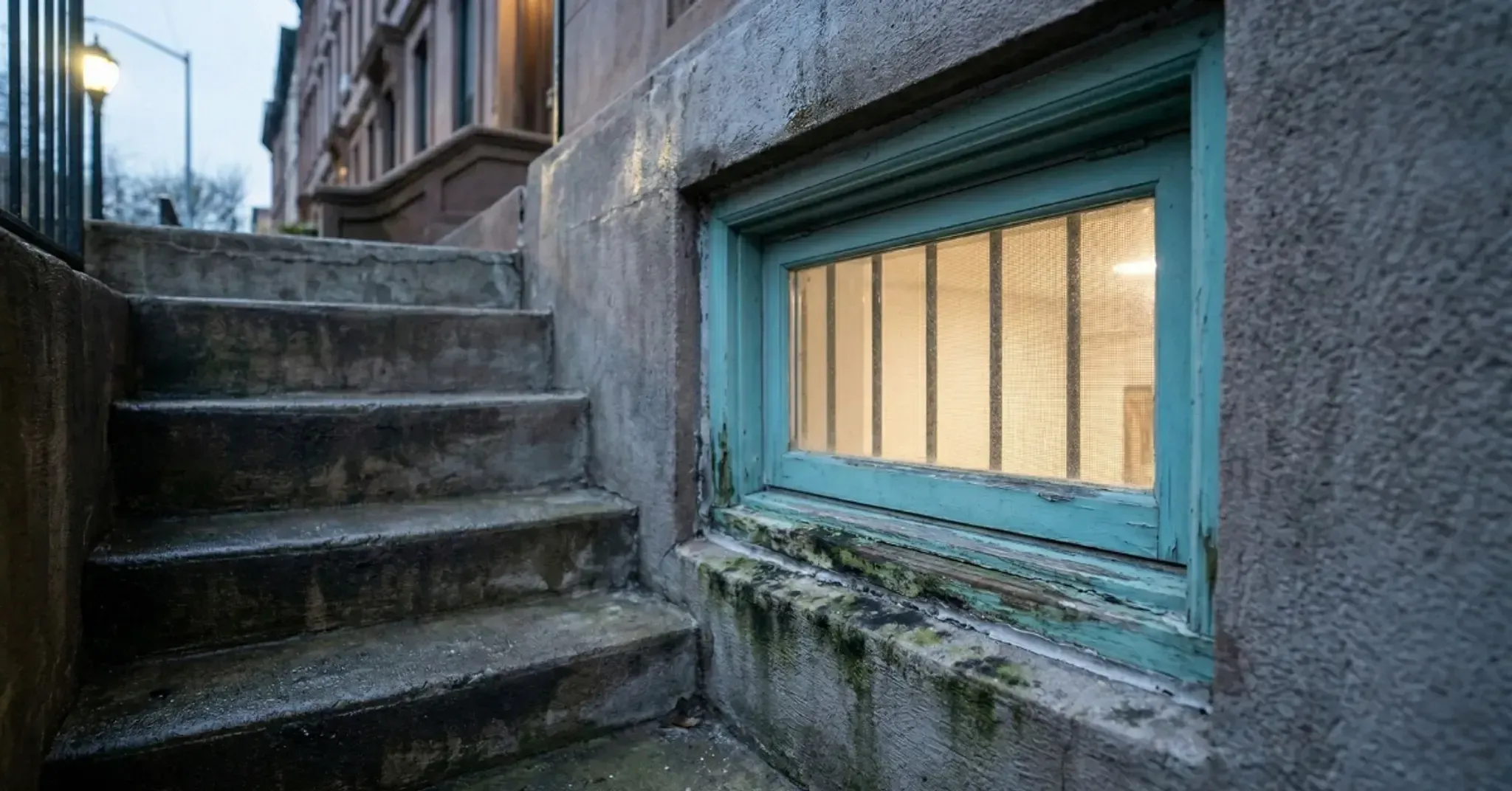

East New York and Cypress Hills have more than 5,000 basement and cellar apartments. Most of these places do not have a permit to be lived in. There are thousands of people in Brooklyn living in them. They live there because they cannot find any other place to stay in the area that is not too expensive.
When mold is found, most people say to call 311 or file with HPD. But this can lead to more trouble. A city worker may find the mold and also find the unit is not allowed by law. Then, that person might have to leave home. A mold test in Brooklyn costs around $500 to $800 (more for extensive inspections). Fast Mold Testing begins at our transparent rate, and you get a report in 1 to 2 business days.
Why Brooklyn Has So Many Basement Apartments and Why It Matters
Brooklyn's housing market became too expensive for people with low income and for families who moved here from other countries a long time ago. Basement and cellar apartments helped to fill this gap. These places cost less than any apartments above ground. In most cases, they are not legal to rent.
A basement is part of a building where at least half of it is higher than the street level. A cellar is different because less than half of it is above the street level. In New York City, cellars cannot be rented out to anyone. Basements can be rented, but only if they follow many rules. These rules are about ceiling height, having enough light, good air, and proper fire exits.
The HPD basement and cellar page shows what steps to take if you want to rent out a basement legally. A lot of basement apartments in Brooklyn do not follow these rules. Most of them also cannot meet the standards unless there is big renovation done.
What Happens When You Call 311 About Mold in an Illegal Unit
311 complaints go to city agencies so they can check things out. A mold problem in a rental home will be sent to HPD. Someone from HPD will come to the home and see the mold. This is the part where the problem starts.
When the inspector steps into a basement apartment, they see the place as it really is. If the space does not meet city rules for rentals, they can report it. Both HPD and the Department of Buildings can tell people to leave after looking at these basement units. The person living there is told to go and the space must be closed up.
HPD does give help to people living in a place when they are forced to leave because of an order to leave their home. This does happen. But this move is not for a long time. The person who lives there loses their home. The owner has to pay money every day, which can be up to $1,000, until the problem is fixed. So, both sides do not win.
How Private Mold Testing Creates a Paper Trail Without City Enforcement
A private mold checker is not from a city office. They do not tell anyone about if the place is legal or not. They are there to check the air, take samples from different spots, and write down what they see. The report they make is for the person who rents the place.
A written mold report with lab-backed results can do some things a 311 complaint does not. It tells you what kind of mold there is and how much of it you have. It shows where the water or moisture comes from that is causing the problem. This report also gives a dated record that someone can keep, share with the owner, or use if there is a problem in court in the future.
None of that is about HPD or the Department of Buildings. The person who lives there controls the report and who can see it. This is how a private inspection is not the same as a city complaint.
What Tenants Can Do With a Private Mold Report
Step one is to give the report to the person who owns the place. You can do this by sending an email or a text message.
A printed copy is good. The main thing is to have a record that shows when you gave it to them.
A lot of people who own Brooklyn basements will fix a mold problem when they get something in writing. They know what can happen. If someone living in the place tells HPD, the owner can lose money from the rent and have to pay fees, too. Fixing it without trouble is cheaper for all.
If the person who owns the place does not fix the problem, the person living there still has some choices. They do not need to go to HPD first. One choice is to use a small claims court. A group that helps people who rent can also give advice on what to do next. Groups like Brooklyn Legal Services and Legal Aid help people who live in basement homes. They know how to help, even with rules about the unit.
For Homeowners Renting Out a Basement: The Pilot Program
New York City made Local Law 49 in the year 2019. This law started a test program that lets some basement apartments be legal. It is for parts of Brooklyn. These parts are Cypress Hills and East New York. People who own homes here can ask the city for loans and get help with the steps to make the units safe and legal.
The program does not move fast. Out of thousands of homes that can join, only a few have gotten through. But this program is the only legal way to change an unpermitted basement into a legal rental. For people who own a home and want to fix mold and keep renting it, this is the only way to get approval.
The pilot program does not help someone who has to leave their home today. It does not make a place legal right away. What it does is give people who own homes a long-term way to help protect them and the person living there. Fast Mold Testing Brooklyn works with both the people who live in homes and the homeowners. They know the rules of living in basement spaces.
Frequently Asked Questions
Is my basement apartment definitely illegal?
Not always. Some Brooklyn basement units are legal. You can check the building's Certificate of Occupancy on the Department of Buildings website.
If the basement is listed as a legal place to live, then it is allowed. If it is not, then it is not. Most basement apartments in Brooklyn are not legal places where people can live.
Can my landlord evict me for finding mold?
If you report problems in your home, your landlord cannot get back at you in New York. But if your unit is not legal, he may try different ways to push you. The best thing you can do is to have a written mold report. Keep records of all your talks, emails, or texts with him.
What does a vacate order actually do?
A vacate order means you have to leave your home by a certain time. After that, the place gets closed up so no one can stay there. The city will help you find a place to stay for a bit. But you will lose your home. The person who owns the place has to pay fines. They are not allowed to let anyone move in until the problems are fixed.
Does the Basement Apartment Conversion Pilot help me right now?
It's probably not going to help right away. The program has only helped a few homes so far, and it is slow to move ahead. But if you own a home and think about the long run, this is the right way to go by law.
A Private Report Is a Tool the Tenant Controls
Mold in a Brooklyn basement apartment can be a serious health problem. It is important to find a real answer for it. Many people say you should call 311, but there could be some risk with that. A lot of mold advice online does not talk about this risk. A private mold report does not have this risk.
The report is for the person who lives in the place. It shows what the problem is, tells what caused it, and keeps a record that works even if you are not using HPD's rules. Book an inspection at Fast Mold Testing Brooklyn and get the proof you need with no risk.
Related reading
Frequently Asked Questions
- Can I get evicted for reporting mold in my Brooklyn basement apartment through 311?
- If you live in a Brooklyn basement apartment that is not allowed by the city, an HPD inspector may come after a 311 mold call and say you have to leave. This can happen because they see your apartment is not legal. You may want to get a private mold check from Fast Mold Testing first. You can use that report to talk with the owner of your apartment.
- How much does a private mold inspection cost in Brooklyn for a basement apartment?
- Private mold inspections in Brooklyn for basement apartments cost between $500 and $800 (more for extensive inspections). Fast Mold Testing starts at our transparent rate and gives you results in 1 to 2 business days. You get a report that you can use, and you will not have to deal with a city inspection that could lead to your unit being ordered empty if it does not have the right permits.
- What are safer alternatives to calling 311 about mold in a Brooklyn basement apartment?
- Instead of calling 311 about mold in a Brooklyn basement apartment, start with a private mold check from Fast Mold Testing. Use this report to send your owner a written request to fix the problem. You should also talk to a lawyer for renters' rights before reaching out to city groups.
- Why is mold so common in Brooklyn basement apartments?
- Brooklyn basement apartments often have mold problems. They are under the ground, so water pushes against their walls and floors. Little air moves in or out. Many have walls or floors that are not sealed well against water. This means there is always some wetness, which lets mold grow all year. Things get worse after big storms or when snow melts.