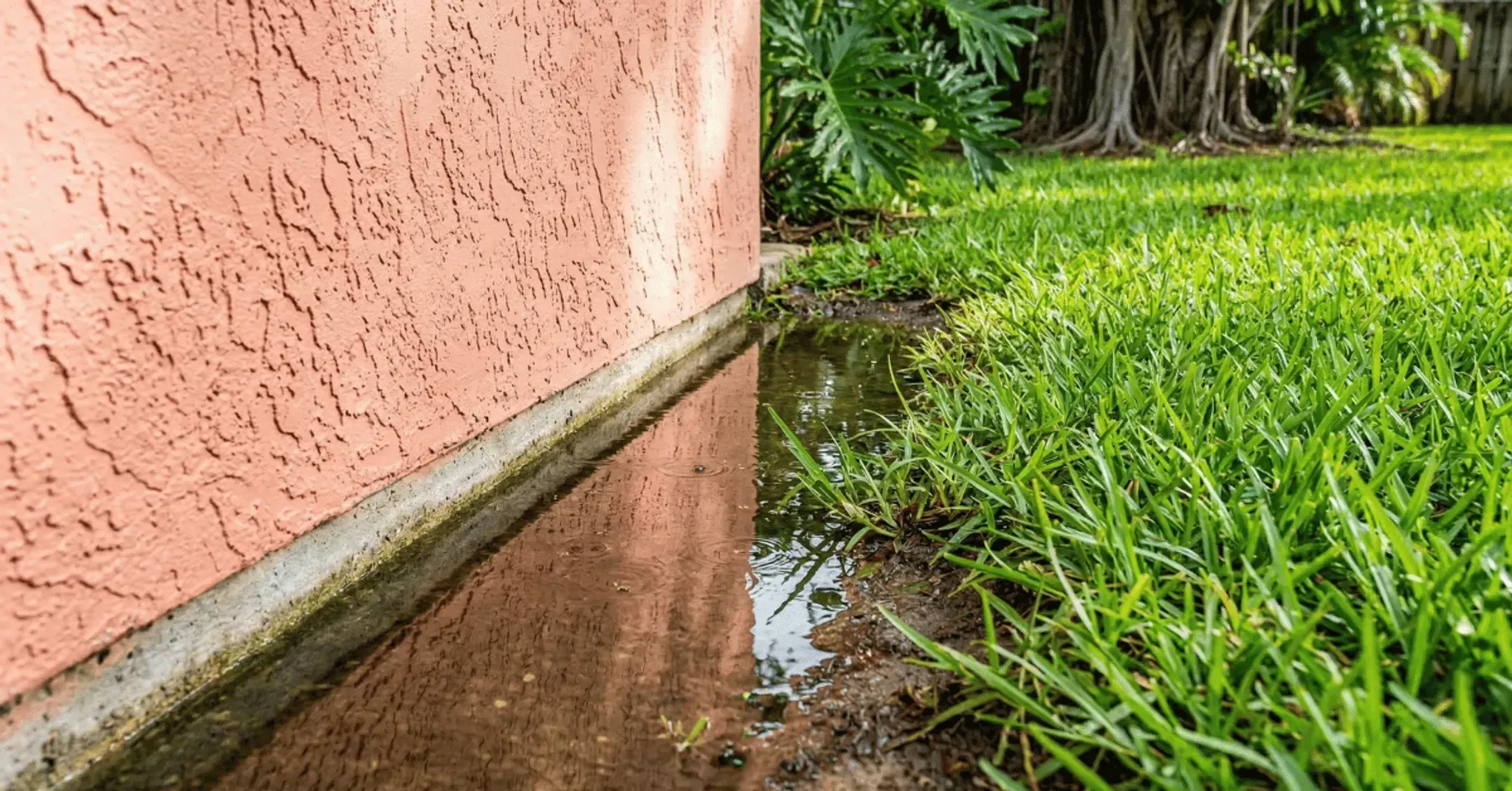

If you found dark spots growing in your WPB home and then searched for "black mold," you will see two very different stories. One story says it is a deadly poison. The other story says people make too much of it.
The CDC is clear about Stachybotrys chartarum, which people know as "black mold." In West Palm Beach, what the CDC says has a local meaning that many articles do not talk about.
The CDC's Position on Black Mold and Mycotoxins
The CDC's May 2024 facts page on Stachybotrys chartarum clearly says that there is no test that links this mold to any health problem. Molds that make toxins, including Stachybotrys, need to be dealt with just like any other mold in the home. NIOSH also says there are no health air rules for any type of mold.
This is not about saying there is no risk. The rule is clear. You do not need to change what you do based on the mold type. If there is any mold and it is there because of water, then this is a problem. You should fix it.
The worry about toxins is real, but it's limited. Stachybotrys makes something called trichothecenes. These can stop cells from making protein. The Journal of Allergy and Clinical Immunology says there will be a lot of toxins only when building stuff stays soaked for a long time and in high moisture. That means the things in a building have to be wet for weeks, not just a short wet spot.
Why West Palm Beach's Humidity Floor Changes the Risk
The outdoor humidity in WPB is always at least 70%. Even in March, which be the driest time of the year, it does not go lower. The climate records from weather-us.com for the years 1991 to 2021 show this. In March, the monthly humidity is 70%, and by June, it goes up to 76%.
Common mold types like Cladosporium and Aspergillus start to grow on paper-faced drywall when the moisture level hits the lower end. A closed guest room can stay at or above that level all year. This is true for a laundry closet too, or for a unit that stays empty through summer. You do not need to have a flood or see a clear leak for this to happen. That is the main reason closed WPB condos so often get mold on the walls after people are gone for a while. The walls may look dry when you leave.
Black Mold Is a Late Arrival, Not the Opening Act
This is the detail that changes how you read dark growth. Stachybotrys grows slow and arrives later than many others. Most molds start growing after 24 hours when a surface stays wet. Stachybotrys needs at least 48 hours of constant wetness on a surface just to begin. Then, it usually takes another one or two weeks to make a spot you can see.
Cladosporium, Aspergillus, and Penicillium start to show up in one or two days. When you spot dark stains, those fast ones have already been busy in the same spot for weeks. The black color does not mean the wet event just started. It shows the area has been wet long enough for slower mold to appear after the first ones finished their work.
That order is what matters most after post-storm moisture events. This is when many surfaces can stay wet at the same time.
What Testing Confirms in a WPB Home with Dark Growth
Stachybotrys spores stay inside a slimy layer that keeps them stuck to the top of the colony. These spores do not get into the air often, unless the stuff they are in dries and someone moves it. Air sample tests cannot always find active colonies. Because of this, using a surface tape or bulk sample from the area where the growth is found is the way to be sure you know what type of mold it is.
Lab results from WPB homes where there is dark stuff growing often show Stachybotrys, high Cladosporium, and Aspergillus numbers in the same area. This always shows the area has been wet for a long time, and it means the issue is not just what you can see. To see what this testing covers in your area, check the guide to mold testing in WPB. It shows your options.
Is black mold more dangerous than other molds in a WPB home?
The health problems you get from Stachybotrys are like the, problems you get from Cladosporium and Aspergillus. You may have coughing, your airways can feel sore, and asthma can get worse. Stachybotrys shows that there was water present for a longer time, while the faster molds do not show this. In WPB, how long there was moisture is more important for property damage than what kind of mold is there.
What does the CDC recommend when you find black mold at home?
Take out what's there and fix where the moisture is coming from. The CDC says you do not need to know what kind it is before you take action. You also do not have to wait for the test results before you clean up what you can see.
Testing helps show how far the problem has spread beyond what you see with your eyes. Without this map, cleanup often misses what's behind walls or under floors.
Can air testing detect Stachybotrys in a West Palm Beach home?
Air testing is not always enough on its own. Stachybotrys spores stay inside a slime coat. They do not move easily into the air. This means an air cassette might show a low count even if there are active colonies close by. In homes in WPB with dark mold growing, air tests often show higher numbers of other fast-growing types from the same wet spot. This still shows there is a moisture problem, even if Stachybotrys does not show up in the air test.
Can black mold grow in a WPB home with no visible water damage?
Yes. Stachybotrys grows on places that stay wet, but not in standing water. In WPB, moisture from AC duct water, water from windows that are not sealed well, and wet air in closed spaces can all keep drywall wet enough for this slow growth to happen. A musty smell in a room that seems dry is often the first sign.
Stop Asking the Wrong Question
The mold in your WPB home does not become a bigger or smaller problem just because it is dark. The real thing to think about is how long there has been moisture in the place. It also matters how much the mold has spread beyond what you can see on the surface.
Get in touch with Fast Mold Testing West Palm Beach for surface and air testing. This will help you know these things before you go ahead with any plan to clean up.
Related reading
Frequently Asked Questions
- Should I be worried about black mold mycotoxins in my West Palm Beach home?
- The CDC says that any mold growing inside your home with an active water problem needs a professional to check it out and fix it. This is true no matter what kind of mold is found. In West Palm Beach, the high humidity all year means there is a lot of moisture in homes. So, it is easy for mold to keep growing on building materials.
- Does the CDC require special testing for black mold mycotoxins in homes?
- No, the CDC does not ask for mycotoxin-specific air tests for homes. The CDC says there is no clear link between certain mycotoxin levels and health problems. So, standard mold air sampling and surface tests give the information you need to check your West Palm Beach home.
- How much does mold testing cost in West Palm Beach for suspected black mold?
- Professional mold testing in West Palm Beach for black mold costs between $500 and $800 (more for extensive inspections). The price depends on how much work needs to be done. Fast Mold Testing starts at our transparent rate. They give you results in 1 to 2 business days. The testing also looks for where water is coming from, because cleanup is the same no matter what kind of mold is found.
- Can West Palm Beach's humidity alone cause black mold without a leak?
- Yes, the humidity in West Palm Beach is almost always above 70 percent. A closed room with little air movement, like a guest bedroom or bathroom inside the house, can help mold grow on drywall even if there is no plumbing leak. This happens more on the outside walls because the difference in temperature makes water build-up inside the wall.