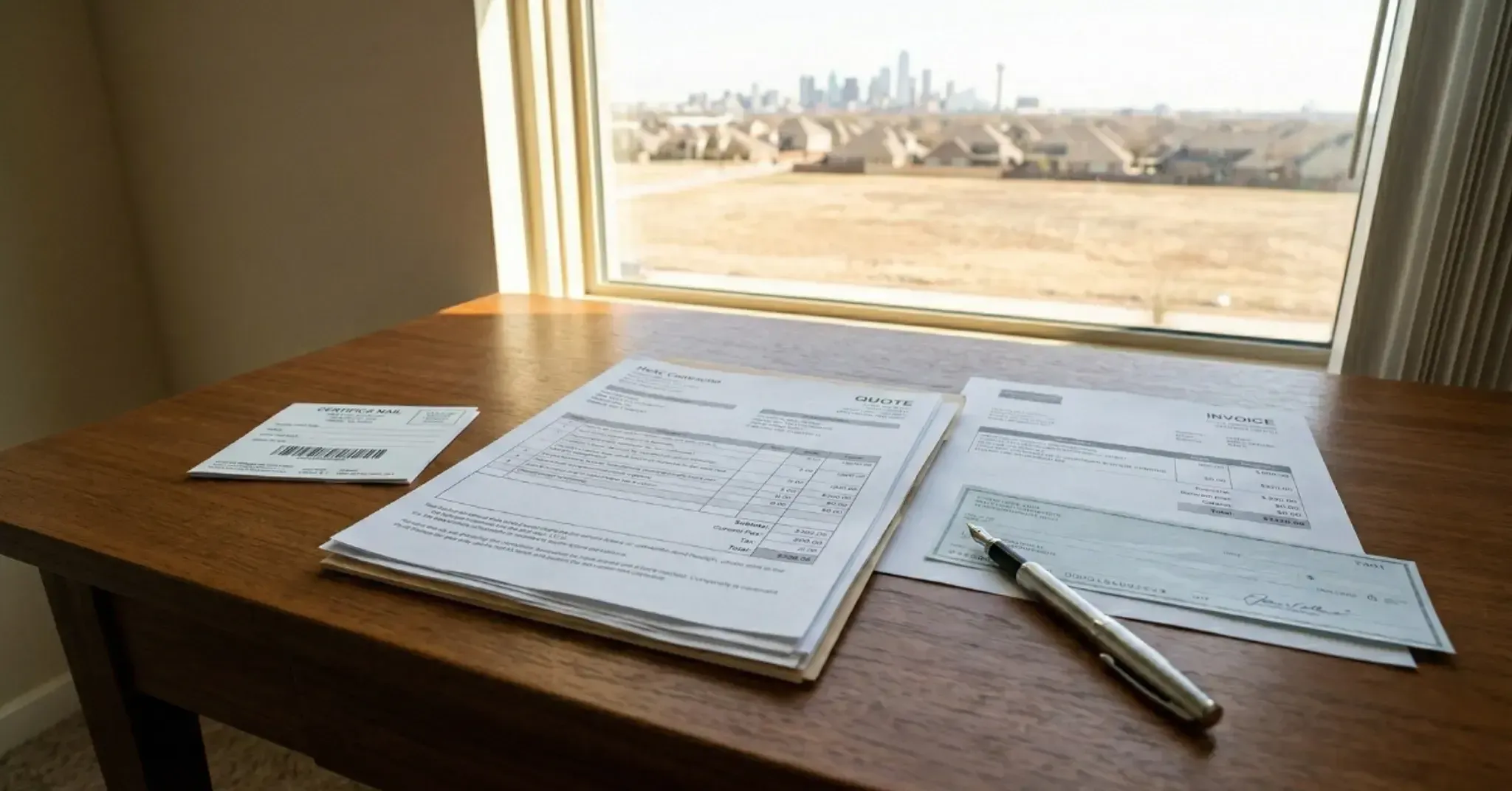

Texas gives people who rent a home a legal way to deal when their place needs a repair, but the person renting it to them does nothing. You can fix the problem yourself and then take the cost off your rent. A lot of people in Austin know about this rule. But almost no one does it the right way for mold problems. People often make mistakes with small things, and those mistakes matter.
The law has a $500 each month limit and gives you 7 days to send a written notice. If you do not follow one of these steps, you lose your right to fix the problem. Mold testing in Austin can cost $500 to $800 (more for extensive inspections). Fast Mold Testing starts at our transparent rate, and you get results in 1 to 2 business days.
What Texas Law Actually Gives Tenants
The Texas Property Code Section 92.056 says the person who owns the place where you live must fix anything that can hurt your health or safety. This also covers mold. If you see mold in the bathroom, inside an A/C duct, or behind a wall that goes into the rooms you use, these things all count.
The law gives the owner a good amount of time to fix the problem after they get the right written notice. If they do not fix it, the person living there has two choices. One is to stop the lease and move out. The other is to get the repair done and take that amount out of the rent.
The second option is called the repair-and-deduct remedy. This is something real. It can work well if you use it the right way. Most people do not use it the right way, though.
The 7-Day Notice Rule and Why It Trips People Up
The clock will not start when you text your landlord about mold. It will also not start when you send an email. It starts when the landlord gets a written notice that fits what the law needs.
The notice must be on paper. It has to list the condition you are talking about. You need to send it in a way that you can show it was received. You can use certified mail, email with read receipt, or any way your lease says is okay. A text that is not read or just telling someone does not count. That does not start the clock.
After notice is given, the owner of the place will have a fair amount of time to fix the problem. When it is mold that can make people sick, courts in Austin say this time is seven days or less. If nothing is fixed in seven days, or there is no real plan to get it fixed, the person living there has more options.
A second written notice can be needed sometimes. The law is clear about when you need to send a second notice. It can change with the type of problem. For mold, it is a good idea to send a second notice on day seven or after. This notice should say the repair still has not been made. Doing this will close that gap.
The $500 Cap and What It Actually Covers
The repair-and-deduct fix lets you claim up to $500 each month, or up to one month's rent, whichever is more. In most Austin rentals, the most you can claim is the rent for one month. This will change how much money you can really ask for.
A full cleanup of mold on a bathroom wall can cost $1,500 to $3,000 or even more. You cannot take off that amount under this rule. What you can take off is a smaller step. A licensed mold assessment that shows what needs to be done, plus a small cleanup of the area if the cost stays under the limit, can be taken off.
This is where a lot of tenants run into problems. They try to take away a big cleaning fee, and the owner argues about it. The removal does not work.
The better way is to get a licensed mold assessment first. A written report will give you the papers that the law needs. It will also lower your risk.
If the test shows there is a small problem and it stays in one place, it is simpler to explain the lower amount. If the test finds a big problem, the report helps prove that you need to fix it in another way.
When the $500 Cap Does Not Apply
The cap is for the repair-and-deduct rule. It does not be for every tool that a person who rents has.
If the person who owns the property has been told about the issue, does not fix it, and the mold makes the place too bad to live in, you could end your lease without a fine and ask for money for the harm done. That falls under another part of the law. A report on the mold that shows how bad the problem is can be very helpful for your case.
Austin Code does not check for mold by itself. But the team does look for problems that can cause mold. These problems include water leaks, broken AC systems, and venting that does not work right.
A complaint to City of Austin Code Compliance about these problems can put pressure on the property owner. The person living in the place does not have to use the repair-and-deduct rule at all.
Frequently Asked Questions
Does the 7-day window apply to every mold problem?
The law says "reasonable time," not seven days. Seven days is the longest time judges use for problems that affect health. Some landlords get more time if the repair is hard to fix and they are really trying to get it done.
The notice is what gets things started. If there is no action after a fair amount of time, that is when you can do something about it.
What if my landlord retaliates after I send the notice?
Texas law says the person who owns your place can't go after you if you let them know about a needed fix the right way. If the owner raises your rent, stops some services, or says you have to leave within six months after you send a written notice, the law calls that payback under Texas Property Code Section 92.331. Make sure to keep notes of all of this.
Can I just withhold rent instead of using repair-and-deduct?
No. You should not stop paying rent if you have not gone through the right steps. If you do not follow the notice and repair process, you could be told to leave. The right way is to use the repair-and-deduct remedy. Just not paying your rent is not the proper way.
Do I need a mold inspector before I send the notice?
You do not have to get one before you send the notice. But getting a report from a licensed mold inspector can help at each step. A report proves the problem is real, shows it can be bad for health, and lists all of what is there. Landlords will often answer a written notice with a lab report, instead of just a notice with a phone photo.
The Statute Works When You Follow the Steps in Order
Texas's repair-and-deduct law is a real tool you can use. But it is not simple.
You need to send the written notice in the right way. Make sure not to go over the cap. The assessment must come first.
Austin tenants who try to take off a big cleanup bill without the right papers lose the dispute and still have mold. The people who first get a report, send the right notice, and stay within the allowed amount get results. Book a licensed checkup through Fast Mold Testing Austin and get your documents before you send the notice.
Related reading
Frequently Asked Questions
- Can Austin tenants legally deduct mold repair costs from rent under Texas law?
- Yes, the Texas Property Code Section 92.056 says that people in Austin can take out mold repair costs from their rent. You can do this for up to one month's rent or $500, whichever is more. But you have to send a written notice by certified mail first, wait seven days, and have proof of mold with a report from a professional before you hire someone to fix it.
- What happens if my Austin landlord retaliates after I use the repair-and-deduct remedy for mold?
- Texas law says an Austin property owner cannot get back at a renter within six months after the renter does repair-and-deduct. So, if they raise your rent, try to evict you, or stop your services, you may be able to make a claim for that. Make sure you keep your written notice, your mold check report, and your repair receipts.
- Do I need a professional mold inspection before using Texas repair-and-deduct for mold?
- Texas law does not clearly say you must get a professional mold report first. Still, getting a licensed mold assessment from Fast Mold Testing will help a lot. This report will show the real condition. It will find the moisture source. It also proves that the mold affects health or safety.
- What mistakes do Austin tenants make most often when trying to deduct mold repair costs?
- The biggest mistakes that tenants in Austin make when using repair-and-deduct for mold are as follows. They send notice by text, but they do not get read confirmation. Some do not wait the full seven days. Some spend over the $500 per month cap, and they do not get court approval to do that. Others forget to get a pro mold report before the repair.