
Cedar elms are very common in Austin neighborhoods like Tarrytown, Hyde Park, Bouldin Creek, and Allandale. These trees lose their leaves two times every year—one time in fall and again in spring. The leaves are small and flat. Because of this, they can get through most gutter mesh. When they pile up in the gutter, they hold water.
That water can't go anywhere, so it runs down behind the gutter against the fascia board. The fascia board is a flat trim that sits between your gutter and the roof edge. You cannot see it from the yard or while inside your house.
If the fascia stays wet for a year or two, it will start to rot. A rotten fascia will no longer keep water out. This lets water move over the roof deck and into your attic.
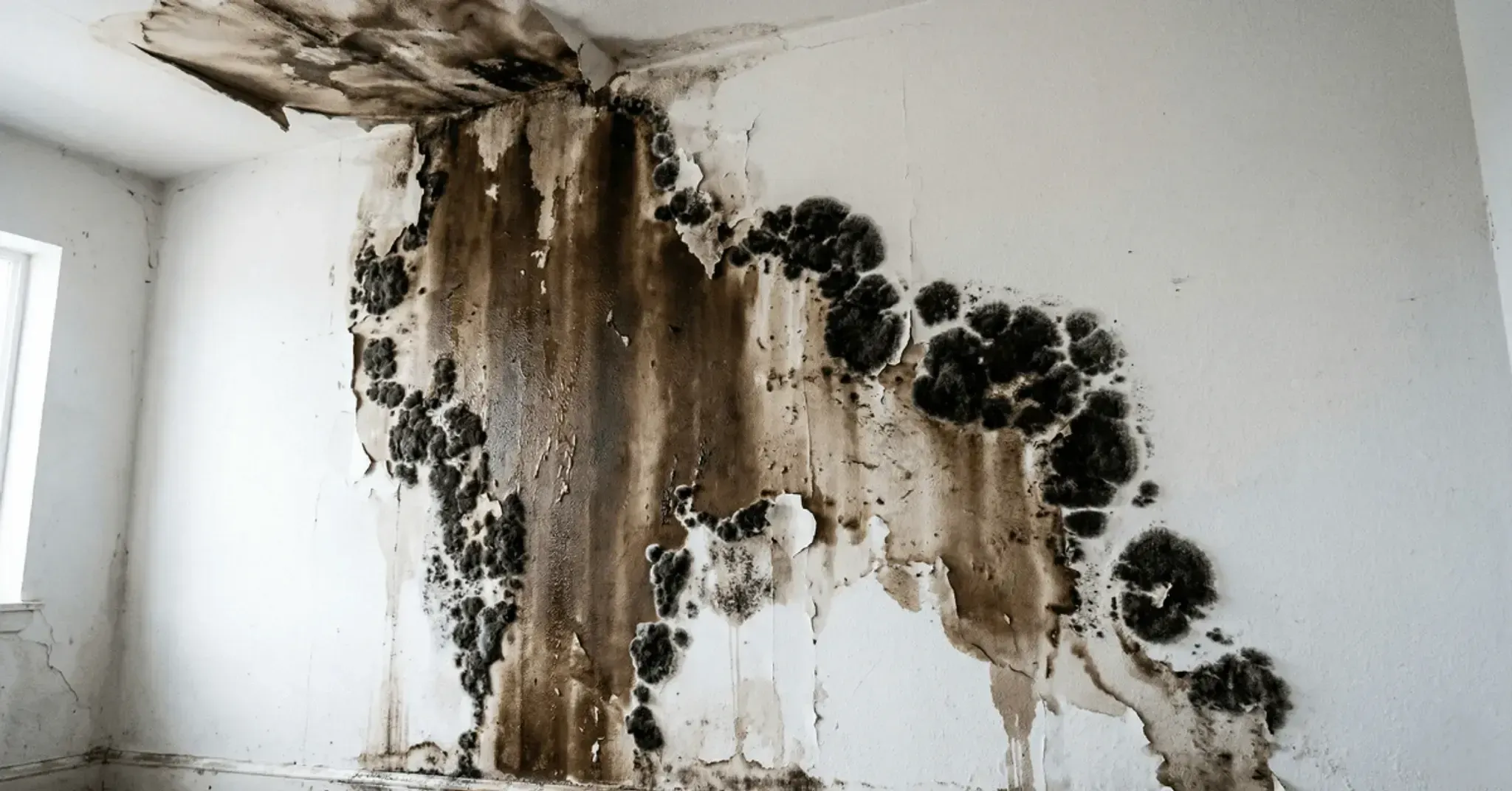
Attic mold from a fascia leak happens often in Austin. We may not see it right away. It can grow for a long time before we know it is there.
How Cedar Elm Leaves Block Austin Gutters Twice a Year
Cedar elm leaves are about one to two inches long. When they dry, they lay flat. A normal half-inch gutter mesh will not block them. The leaves slide through, bunch up, and form a blockage in the gutter. This makes stuff pile up and trap water. This is a big problem in Austin during the rainy fall and spring months.
Texas A&M Forest Service lists cedar elm as one of the most common native trees in Central Texas. If you have mature trees that hang over your roof, you will need at least three or four complete gutter cleanings each year. This helps make sure water drains well. Micro-mesh guards can help, but you still have to clear them sometimes. No guard can completely stop water from spilling over when leaves dry out, lay flat, and stick together.
How Blocked Gutters Lead to Fascia Rot and Attic Moisture
When the gutter overflows, most water drops right down the outside wall. A part of the water that should go away builds up behind the trough. This water then goes down the fascia board. You will not see this happen. The gutter up there stops air from drying the wood. So, after the fascia gets wet, it stays wet.
One or two times of that wet and dry cycle is enough to rot the wood fibers, depending on how well the paint holds up and what kind of wood you have. A fascia that has rotted will let the next rain push water past it. The water goes over the roof deck and into the attic. Sheathing, insulation, and things you keep above the ceiling begin to soak in the wetness. Mold spores that were just sitting still on the wood now find what they need and start to grow.
Early Signs of Attic Mold from a Fascia Leak
When you have attic mold from a fascia leak, you will usually smell it before you see any stains. A musty odor can show up in an upstairs room after it rains during the weekend. The smell is light and it's hard to figure out where it is coming from. You might see a water stain on the ceiling near the roof, but sometimes, you see nothing at all.
The mold often grows on the bottom side of the roof boards. You will see black or gray marks along the edges near the peak. You can't see it from inside the house because the ceiling blocks it. The ceiling also stops the spores from getting down into the living area. This means if you do an air test in the room below, it can show normal air even if there is active mold in the attic.
Texas Law: A Licensed Assessor Must Sign Off Before Attic Mold Cleanup
In Texas, before any crew can work on attic mold, a Mold Assessment Consultant licensed by TDLR has to look at the space. They will write a plan for the work and sign to approve it. This licensed person will decide what has to be cleaned and what needs to be taken out. They also say what equipment the crew will use and how to check the cleanup at the end. Without their signed approval, any mold cleanup done does not have any legal value.
When to Order an Attic Mold Inspection in Austin
If you smell a musty odor in an upstairs room after it rains, you should get an inspection that checks the attic too. Taking an air sample in the room below will not find what is going on above the ceiling.
If you are planning to buy an Austin home and there are old cedar elm trees over the roof, but the seller does not have any recent gutter cleaning records, you should take notice of that before you close the deal. Make sure to ask for mold assessors with attic experience in Austin who will check the whole roof, even the eaves, because this is where most problems from overflowing can start.
FAQs
Will a better gutter guard stop cedar elm leaves from matting?
Standard half-inch mesh does not keep out cedar elm leaves. Micro-mesh guards have smaller holes, less than 0.04 inches. These keep out more leaves, but cedar elm leaves can still find a way. They are tough and pack together after they dry out. A guard will help, but no guard will stop the need for cleaning your gutters a few times each year.
My ceiling test came back fine. Is my attic really okay?
Air tests tell you what is in the air in your home. Mold that grows on attic sheathing stays above the ceiling. Spore counts in the room below may still look normal. The eaves above can be full of mold. A proper attic check with moisture numbers and looking at the area is the only way to know what is really happening up there.
Can Austin's summer heat kill attic mold on its own?
No. Mold spores can live at temperatures higher than 140°F when they are not growing. When it gets damp again in fall, those same colonies start to grow on the same surfaces. Heat by itself will not get rid of a colony that has already started. The only way is to take it away by hand.
What does homeowner insurance say about gutter overflow damage?
It depends on the policy you have and what led to the problem. If a storm damages the gutters, the insurance might cover it because storms are sudden events. But if the gutters got bad because the gutter care was ignored, that is usually not covered. A MAC report will show when water came in and why. The adjuster will use this report to see if the issue is covered or not.
Keeping Cedar Elms From Causing Attic Problems
Cedar elms drop their leaves two times each year. Your gutters will keep needing to be cleaned. The fascia boards get water on them if the gutter is not clear. This is just how things are when you have big trees in Central Austin. You can make things better by cleaning your gutters often, using good guards, and checking your attic if you see something not right.
If you have big cedar elm trees over your roof and you have not had anyone check your attic lately, get an assessment from Fast Mold Testing that includes attic entry. The problem often shows up on the wood near the edges of the roof. You will not see it until something goes wrong with the ceiling underneath.
Frequently Asked Questions
- How do I know if my Austin home's attic mold is caused by cedar elm gutter problems?
- There are some signs that your attic mold in Austin is caused by cedar elm gutter problems. Look for dark wet spots on the roof sheathing near the eaves, rotting fascia boards, and gutters that sag or pull away from the roofline. Cedar elm trees drop leaves and pollen that stick together and block gutters. When they are blocked, water flows behind the gutters and soaks the fascia and soffit. This can let water into the attic. A mold inspector can use moisture meters to check if the moisture comes from this pattern.
- How much does it cost to inspect attic mold from gutter damage in Austin?
- In Austin, checking for attic mold costs between $500 and $800 (more for extensive inspections). Fast Mold Testing offers a bundled service that checks the attic and the nearby gutter and fascia drainage. This costs $500 to $800 (more for extensive inspections) depending on roof access. This includes a moisture check and air sampling if the inspector sees signs of mold. Independent clearance testing after remediation usually runs a few hundred dollars.
- Will cleaning my Austin gutters four times a year actually prevent attic mold?
- Cleaning your Austin gutters three or four times each year can lower the risk of attic mold. But cedar elm drops pollen in spring and leaves in fall, so cleaning twice is often not enough. If your soffit has older open-weave vents, small pieces of debris can still enter. Check your attic in June and December to see if there is new staining near the eaves. If you see new staining, get a moisture reading before the mold grows.
- Can I sell my Austin home if there is attic mold from fascia rot?
- Yes, you can sell your Austin home even if there is attic mold. But, in Texas, you must tell buyers about known mold problems on the Seller's Disclosure Notice. If you have hidden the mold or not fixed the water problem, you could be taken to court after the sale. Most buyers will ask for a price cut or ask you to fix the mold before closing. If you get a pre-listing mold check, it shows the problem clearly and makes the paperwork easier.